Molecular Disruptions in the Dynamic Brain
In some children, we can now trace a neurological condition to a single molecular cause — a mutation in a gene like SCN1A, which codes for an important sodium channel, or an autoantibody attacking a specific receptor. Yet the same fault can produce very different conditions, from easily controlled epilepsies to severe developmental syndromes such as Dravet syndrome. Much of that variability lies in the molecular detail: some mutations make channels open too readily, others stop them working at all.
The challenge is linking these smallest-scale disruptions to the whole-brain dysfunction they cause. We record what individual channels and synapses do, build computer models of neurons, develop patient-specific animal models, and "invert" models through dynamic causal modelling. These methods allow us to ask which molecular faults best explain a patient's brain dynamics. Across patients, animal models, and healthy volunteers, we trace the path from molecular fault to disrupted brain dynamics, working toward biomarkers, individual predictions, and better-targeted treatments.
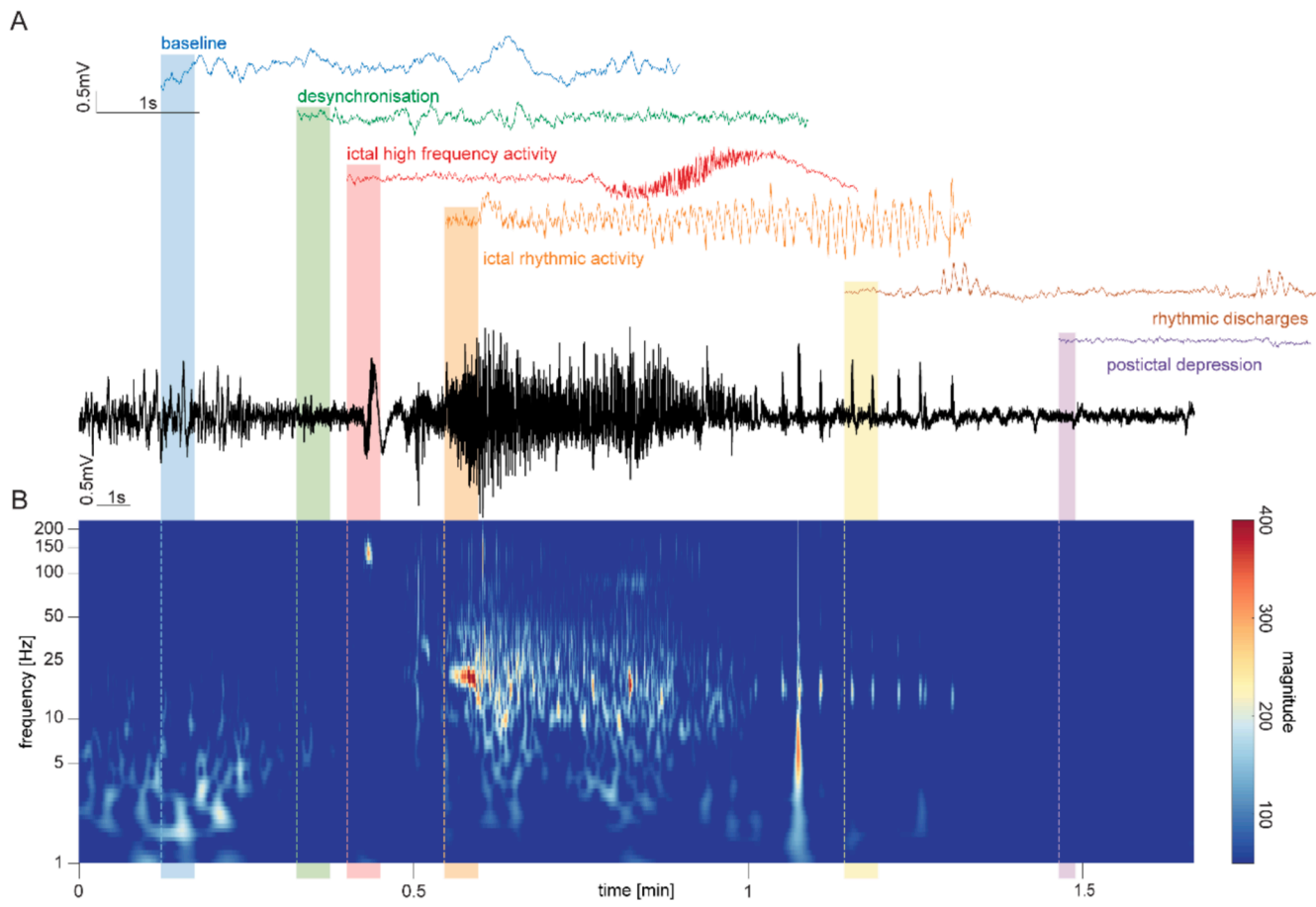
Modelling anti-LGI1 related seizures, behavioral changes and brain MRI abnormalities in rodent models [paper]
Anti-LG1 autoimmune encephalitis causes seizures and cognitive deficits in humans and has now been effectively modelled in a rodent model.
Upadhya et al. 2025 Brain Behav Immun 10.1016/j.bbi.2025.02.019

Persistent sodium currents in an SCN1A degenerative encephalopathy [paper]
In this work we characterise a novel gain of function variant in SCN1A associated with a severe neurodegenerative phenotype.
Gorman, Peters et al. 2021 Brain Comms doi.org/10.1093/braincomms/fcab235

Reduced excitatory neurotransmission causing seizures in NMDAR-Ab encephalitis [paper]
Here we show through detailed in vitro, in vivo and in silico work that counterintuitively reduced excitation underlies seizures in a rat model of NMDAR-Ab encephalitis.
Wright et al 2021 Comms Biol: doi.org/10.1038/s42003-021-02635-8
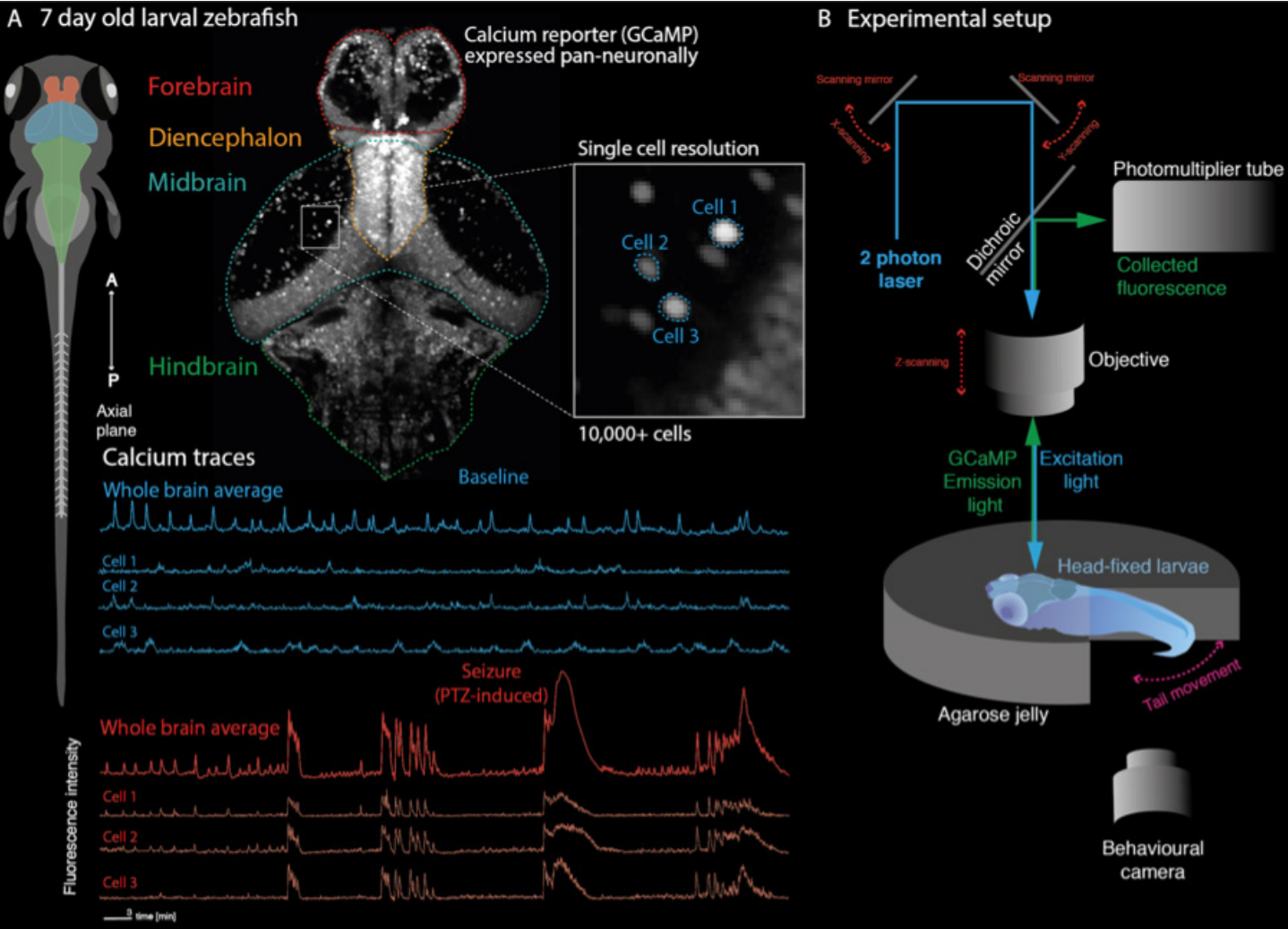
Functional genomics in simple animal models [review]
Our review on how to assess functional consequences of genomic alterations at scale in simple animal models.
Rosch et al. Front Cell Neuroscie 2019 doi.org/10.3389/fncel.2019.00556

NMDA-receptor antibodies alter microcircuit dynamics [paper]
Here we apply computational models across mice and men to infer cortical circuitry in the presence of pathological NMDAR antibodies.

Characterising the effects of individual mutations can yield insights about how an SCN1A mutations can lead to epilepsy.
Peters et al. 2016 Sci Rep 10.1038/srep31879

This code implements the patch-clamp recordings made above in a Hodgkin-Huxley model to simulate its effects on neuronal function.
Github: SCN1A Hodgkin Huxley Model
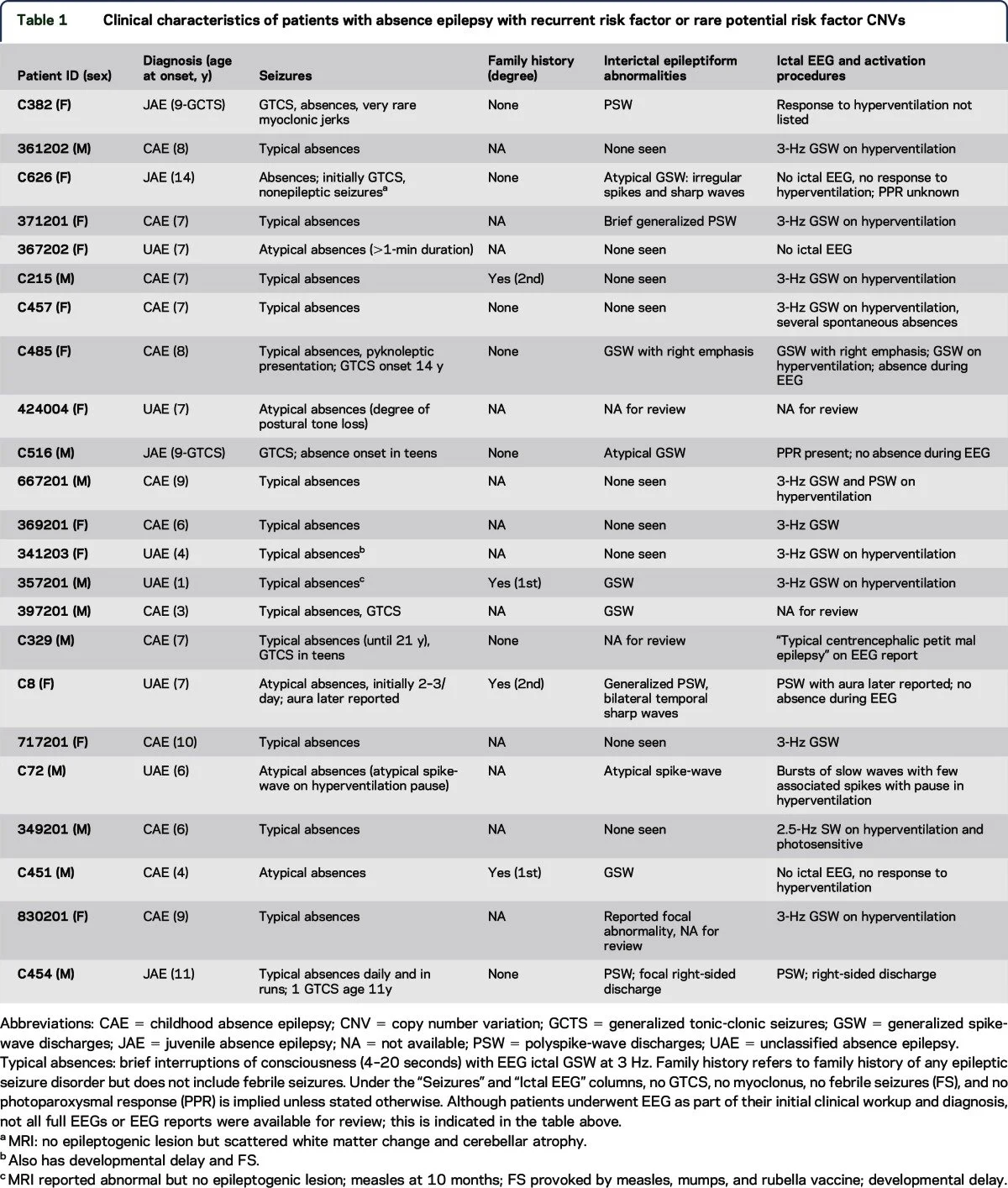
Rare copy number variants in absence epilepsy [paper]
This is an analysis of high density SNP arrays to evaluate the contribution of rare copy number variants to common generalised epilepsy phenotypes.
Addis et al 2016 Neurol Genet doi.org/10.1212/NXG.0000000000000056